Why Bike Transport Needs Specialist Handling
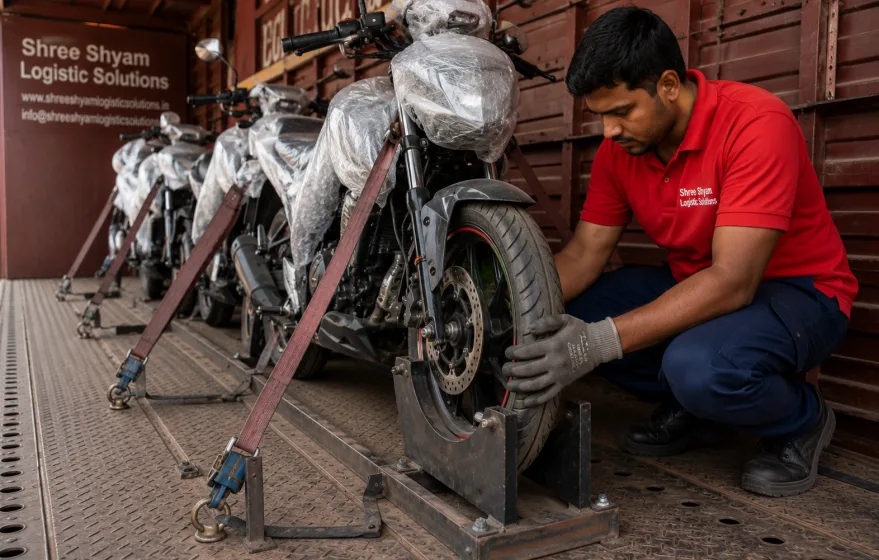
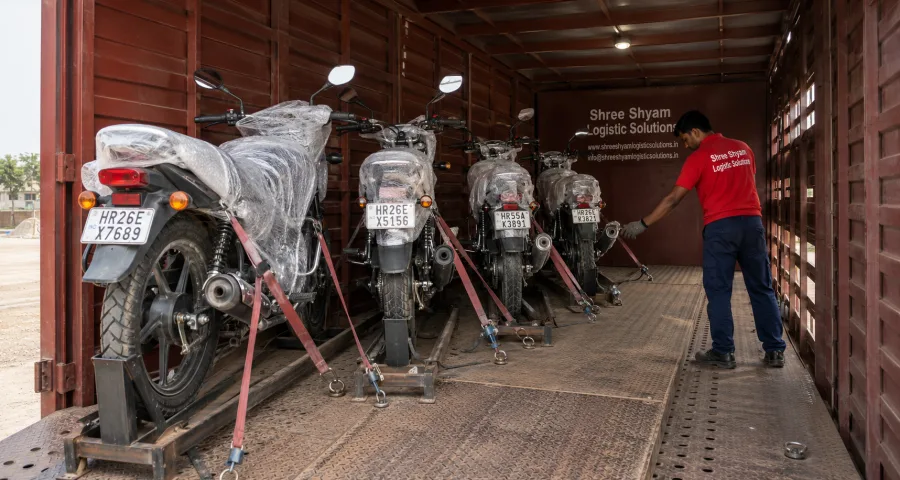
A two-wheeler is fundamentally different from a car in transit. It has no protective shell around it, every panel is exposed, and a single unsecured point can lead to a cracked fairing or bent handlebar end. Mirrors, indicators, brake levers, clutch cables, windscreens on touring bikes and aftermarket exhaust cans are all vulnerable to contact damage if the bike shifts even slightly during a highway journey. Generic cargo handling is never appropriate for motorcycles.
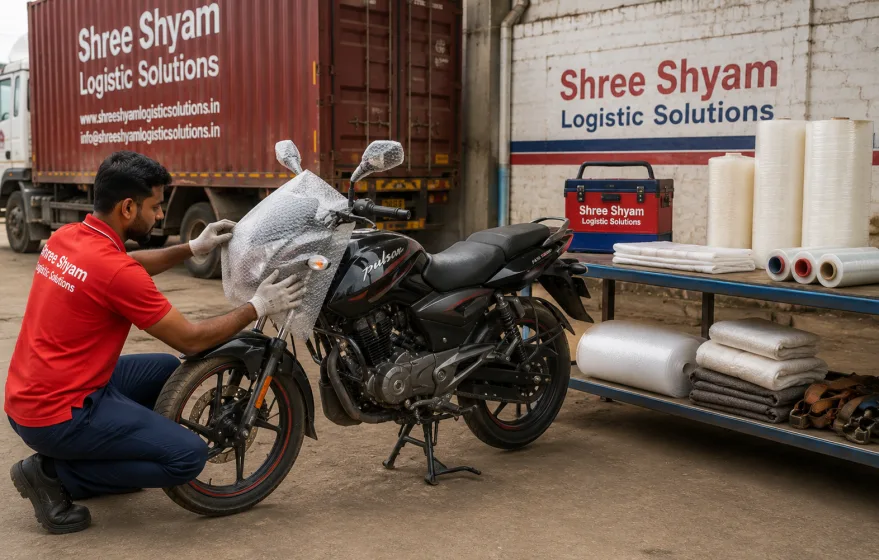
Our bike transportation process begins with isolating each vulnerable component before the bike enters the carrier. Mirrors are folded or removed and wrapped individually. Lever ends receive foam padding. Fairings on sport bikes get multi-layer bubble wrap secured with stretch film. The tank is protected with a fitted cover so belt straps do not mark the paint. This component-level preparation is what separates professional bike logistics from simply rolling a motorcycle onto a truck.